Select up to four bottles for a detailed side-by-side comparison.
Match all included notes and exclude any avoided notes. Based on the catalog’s listed notes; fragrances without documented notes are excluded when filtering.
AAgarwood
AAgarwood (Oud)
AAmber
AAmberwood
BBergamot
BBitter Orange
BBlack Iris
BBlack Pepper
BBrazilian Rosewood
CCambodian Oud
CCardamom
CCedar
CCedarwood
CChinese Pepper
CCoriander
CCypress
CCypriol Oil or Nagarmotha
GGinger
GGuatemalan Cardamom
HHaitian Vetiver
IIris
LLabdanum
LLeatherwood
MMastic or Lentisque
MMusk
NNeroli
OOlibanum
OOsmanthus
OOud
PPatchouli
PPink Pepper
RRosewood
SSaffron
SSandalwood
SSichuan Pepper
SSuede
TTeak Wood
TTobacco
TTonka Bean
VVanilla
VVetiver
VViolet Leaf
9 of 9 documented alternativesAbout scent match & editorial evidence
Estimated scent match. We use the dedicated similarity percentage in a published Chaos clone guide for the exact fragrance edition. The newest matching Clones & Alternatives guide is the source of truth. An approved dupe-of comparison score is used only when no matching clone-guide entry exists, converted from 0–10 to a percentage. We do not generate percentages from guide rank, overall ratings, note overlap or buying recommendations.
Editorial evidence. Strong means an estimate with all three scent topics, or at least two topics plus linked coverage in both Clones & Alternatives and a dupe-of guide. Moderate means two topics, or an estimate with one topic or both linked guides. Limited means less coverage. Linked percentages are counted once. This describes our editorial support, not laboratory accuracy or independent consensus.
Guide order. This follows the Chaos guide covering the most available alternatives for this original, using its explicit ranks or otherwise its displayed order. A guide’s overall ranking can consider value and wearability; the highest-ranked bottle need not have the highest scent-match estimate. Guide position also breaks equal-estimate ties within that guide. Unscored bottles remain available to compare.
General consensus. Automated review checks extracted pages for the exact editions and quoted support. Firsthand comparisons carry more weight; duplicate discussions and authors count once, and each site’s influence is capped. Three distinct comparisons across two sites are required to adjust the score. Explicit resemblance percentages are used when quoted; otherwise very close, close, partial and weak scent comparisons map to 96, 87, 70 and 45 as internal weighting signals, not published reviewer ratings. External influence is at most 25%, reduced for conflicting evidence, with a five-point adjustment cap. Missing Chaos scores stay unscored. Excluded, changed or expired evidence is withdrawn until reviewed again. This adjustment applies only in Clone Lab.
The guide ranks this #2 of 9. Guide order can also reflect value and wearability.
What the editorial covers
Scent differencesIt can feel sharper or more synthetic in the opening, then settle into familiar warm woods. Tom Ford has more air around the spice and a smoother, softer finish.Read source ↗
OpeningIt can feel sharper or more synthetic in the opening, then settle into familiar warm woods.Read source ↗
DrydownIt can feel sharper or more synthetic in the opening, then settle into familiar warm woods. Tom Ford has more air around the spice and a smoother, softer finish.Read source ↗
Evidence describes coverage in Chaos guides, not independent testing. Price, commission and shared-note counts do not change the estimate.
It can feel sharper or more synthetic in the opening, then settle into familiar warm woods. Tom Ford has more air around the spice and a smoother, softer finish.
Shared notes
RRosewood (shared with original)
CCardamom (shared with original)
OOud (shared with original)
VVetiver (shared with original)
Different listed notes
CChinese Pepper
VVanilla
Why it appears here
Confirmed relationship with a published Chaos comparison.
The guide ranks this #4 of 9. Guide order can also reflect value and wearability.
What the editorial covers
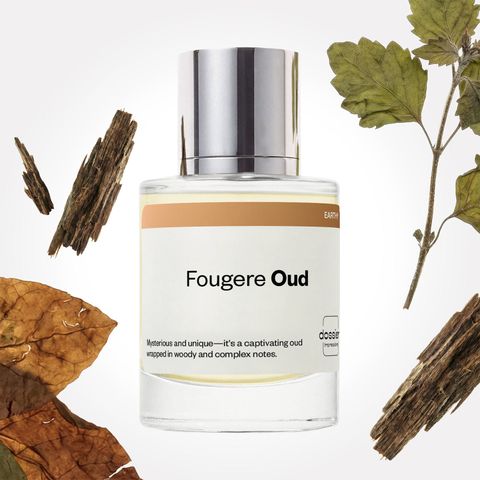
Scent differencesTobacco and coriander give the opening a different aromatic edge, while patchouli and cedar shape a rounder woody finish. It is less close to Oud Wood’s cardamom-and-sandalwood balance.Read source ↗
OpeningTobacco and coriander give the opening a different aromatic edge, while patchouli and cedar shape a rounder woody finish.Read source ↗
DrydownTobacco and coriander give the opening a different aromatic edge, while patchouli and cedar shape a rounder woody finish.Read source ↗
Evidence describes coverage in Chaos guides, not independent testing. Price, commission and shared-note counts do not change the estimate.
Tobacco and coriander give the opening a different aromatic edge, while patchouli and cedar shape a rounder woody finish. It is less close to Oud Wood’s cardamom-and-sandalwood balance.
Shared notes
RRosewood (shared with original)
PPink Pepper (shared with original)
OOud (shared with original)
PPatchouli (shared with original)
Different listed notes
TTobacco
CCoriander
LLabdanum
Why it appears here
Confirmed relationship with a published Chaos comparison.
The guide ranks this #3 of 9. Guide order can also reflect value and wearability.
What the editorial covers
Scent differencesThe opening can feel stronger, and the woods settle darker and denser. Tom Ford is brighter and more transparent, with a smoother balance of spice, sandalwood and soft sweetness.Read source ↗
OpeningThe opening can feel stronger, and the woods settle darker and denser.Read source ↗
DrydownThe opening can feel stronger, and the woods settle darker and denser.Read source ↗
Evidence describes coverage in Chaos guides, not independent testing. Price, commission and shared-note counts do not change the estimate.
The opening can feel stronger, and the woods settle darker and denser. Tom Ford is brighter and more transparent, with a smoother balance of spice, sandalwood and soft sweetness.
Shared notes
SSandalwood (shared with original)
TTonka Bean (shared with original)
CCardamom (shared with original)
AAmber (shared with original)
Different listed notes
TTeak Wood
AAgarwood
Why it appears here
Confirmed relationship with a published Chaos comparison.
The guide ranks this #1 of 9. Guide order can also reflect value and wearability.
What the editorial covers
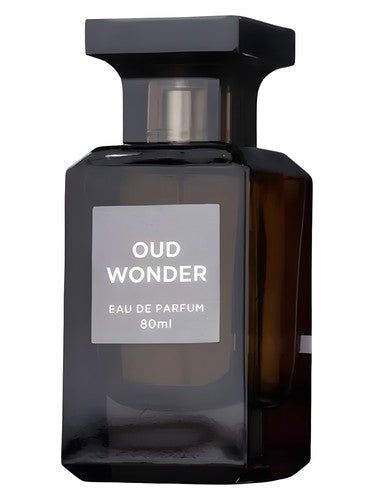
Scent differencesOud Wonder reproduces nearly the complete Oud Wood note map, but the opening feels sharper and the oud can read rougher before the scent settles. Tom Ford is smoother, airier, and better blended, with more natural-feeling spice and a more polished transition into sandalwood, vetiver, tonka, and amber.Read source ↗
OpeningOud Wonder reproduces nearly the complete Oud Wood note map, but the opening feels sharper and the oud can read rougher before the scent settles.Read source ↗
DrydownOud Wonder reproduces nearly the complete Oud Wood note map, but the opening feels sharper and the oud can read rougher before the scent settles.Read source ↗
Evidence describes coverage in Chaos guides, not independent testing. Price, commission and shared-note counts do not change the estimate.
Oud Wonder reproduces nearly the complete Oud Wood note map, but the opening feels sharper and the oud can read rougher before the scent settles. Tom Ford is smoother, airier, and better blended, with more natural-feeling spice and a more polished transition into sandalwood, vetiver, tonka, and amber.
Shared notes
OOud (shared with original)
CCardamom (shared with original)
SSandalwood (shared with original)
TTonka Bean (shared with original)
Different listed notes
BBrazilian Rosewood
AAgarwood
SSichuan Pepper
Why it appears here
Strong-consensus relationship with a published Chaos comparison.
The guide ranks this #9 of 9. Guide order can also reflect value and wearability.
What the editorial covers
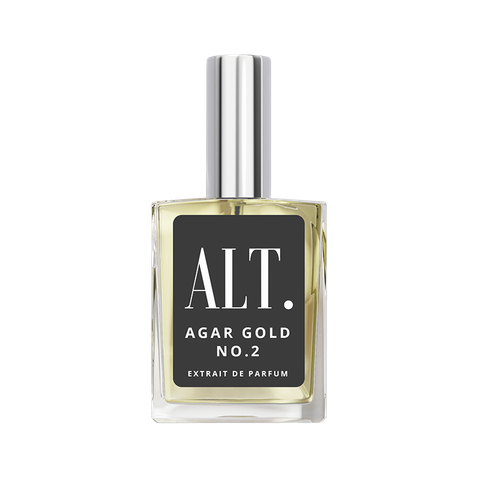
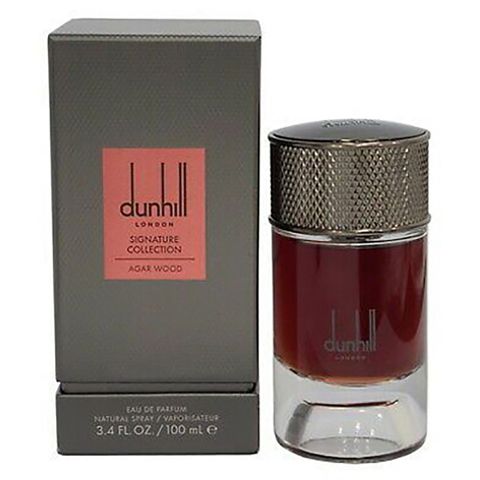
Scent differencesAgar Wood shares pepper, oud, dry woods, and an elegant dark mood, but its saffron, ginger, black iris, violet leaf, cypress, suede, tobacco, and mastic create a smokier, more powdery, and more leathery composition. It lacks Oud Wood's rosewood-cardamom opening and creamy sandalwood-tonka base.Read source ↗
Evidence describes coverage in Chaos guides, not independent testing. Price, commission and shared-note counts do not change the estimate.
Agar Wood shares pepper, oud, dry woods, and an elegant dark mood, but its saffron, ginger, black iris, violet leaf, cypress, suede, tobacco, and mastic create a smokier, more powdery, and more leathery composition. It lacks Oud Wood's rosewood-cardamom opening and creamy sandalwood-tonka base.
Shared notes
PPink Pepper (shared with original)
Different listed notes
SSaffron
BBergamot
GGinger
Why it appears here
Included in a published Chaos Clones & Alternatives guide.
The guide ranks this #5 of 9. Guide order can also reflect value and wearability.
What the editorial covers
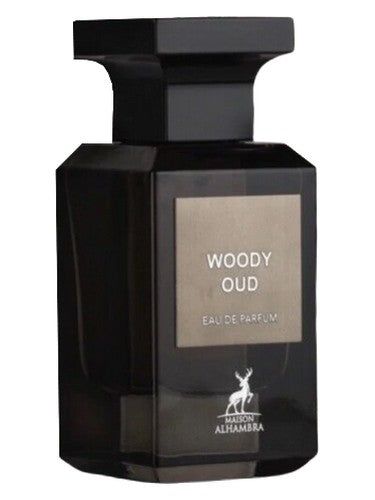
Scent differencesWoody Oud reduces the composition to oud, sandalwood, amberwood, and a darker Cambodian oud effect. It keeps the original's dry woody center but offers less cardamom, rosewood, pepper, vetiver, tonka, and vanilla detail, making it more linear and slightly more overtly oud-focused.Read source ↗
OpeningNot documented
DrydownNot documented
Evidence describes coverage in Chaos guides, not independent testing. Price, commission and shared-note counts do not change the estimate.
Woody Oud reduces the composition to oud, sandalwood, amberwood, and a darker Cambodian oud effect. It keeps the original's dry woody center but offers less cardamom, rosewood, pepper, vetiver, tonka, and vanilla detail, making it more linear and slightly more overtly oud-focused.
Shared notes
SSandalwood (shared with original)
Different listed notes
AAgarwood (Oud)
AAmberwood
CCambodian Oud
Why it appears here
Strong-consensus relationship with a published Chaos comparison.
The guide ranks this #7 of 9. Guide order can also reflect value and wearability.
What the editorial covers
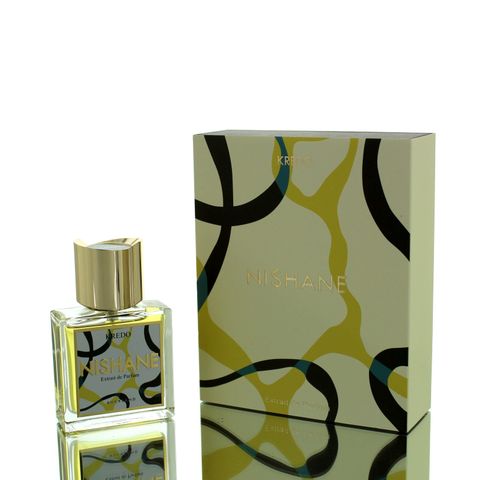
Scent differencesThe result is creamier, fruitier, more leathery, and denser than Oud Wood, with less rosewood, vetiver, amber, and transparent dryness.Read source ↗
OpeningNot documented
DrydownNot documented
Evidence describes coverage in Chaos guides, not independent testing. Price, commission and shared-note counts do not change the estimate.
Kredo keeps the cardamom, pepper, oud, and sandalwood framework but builds it around osmanthus and suede. The result is creamier, fruitier, more leathery, and denser than Oud Wood, with less rosewood, vetiver, amber, and transparent dryness.
Shared notes
CCardamom (shared with original)
PPink Pepper (shared with original)
SSandalwood (shared with original)
Different listed notes
OOsmanthus
AAgarwood (Oud)
SSuede
Why it appears here
Included in a published Chaos Clones & Alternatives guide.
The guide ranks this #6 of 9. Guide order can also reflect value and wearability.
What the editorial covers
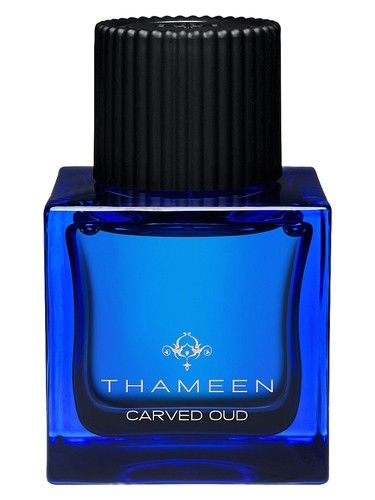
Scent differencesCarved Oud shares cardamom, oud, sandalwood, vetiver, amber, and a dry woody-spicy shape, but adds cypress, cypriol, cedar, patchouli, iris, and musk. It feels greener, denser, earthier, and more textured than Oud Wood, with extrait concentration and less soft tonka-vanilla warmth.Read source ↗
OpeningNot documented
DrydownNot documented
Evidence describes coverage in Chaos guides, not independent testing. Price, commission and shared-note counts do not change the estimate.
Carved Oud shares cardamom, oud, sandalwood, vetiver, amber, and a dry woody-spicy shape, but adds cypress, cypriol, cedar, patchouli, iris, and musk. It feels greener, denser, earthier, and more textured than Oud Wood, with extrait concentration and less soft tonka-vanilla warmth.
Shared notes
PPink Pepper (shared with original)
PPatchouli (shared with original)
SSandalwood (shared with original)
AAmber (shared with original)
Different listed notes
GGuatemalan Cardamom
CCypriol Oil or Nagarmotha
CCypress
Why it appears here
Included in a published Chaos Clones & Alternatives guide.
The guide ranks this #8 of 9. Guide order can also reflect value and wearability.
What the editorial covers
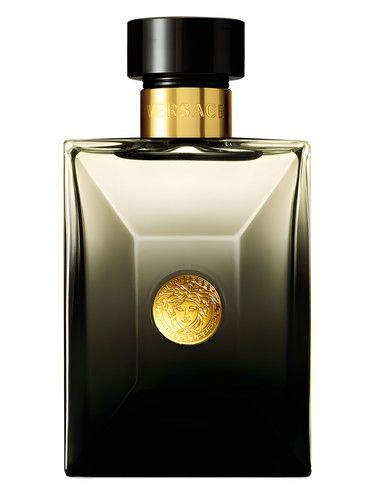
Scent differencesOud Noir shares pepper, cardamom, oud, and polished woods but replaces the original's rosewood, sandalwood, vetiver, tonka, and vanilla arc with bitter orange, neroli, saffron, olibanum, patchouli, and leatherwood. It is darker, smokier, more resinous, and more traditionally masculine.Read source ↗
OpeningNot documented
DrydownNot documented
Evidence describes coverage in Chaos guides, not independent testing. Price, commission and shared-note counts do not change the estimate.
Oud Noir shares pepper, cardamom, oud, and polished woods but replaces the original's rosewood, sandalwood, vetiver, tonka, and vanilla arc with bitter orange, neroli, saffron, olibanum, patchouli, and leatherwood. It is darker, smokier, more resinous, and more traditionally masculine.
Shared notes
CCardamom (shared with original)
PPatchouli (shared with original)
Different listed notes
BBlack Pepper
BBitter Orange
NNeroli
Why it appears here
Included in a published Chaos Clones & Alternatives guide.
Compare the bottle price you will pay with cost per 100 mL. A lower unit price can require a larger purchase. Price alone does not establish scent quality or performance.
Chaos Fragrances may earn a commission when you shop through our links. Prices are in USD, exclude shipping and tax, and can change at checkout. Editorial relationships and rankings are independent of retailer commissions.