

Dupe of what?
What Is DUA #By Accident a Dupe Of?
The Dua Brand #By Accident is a clone of Yves Saint Laurent Caban.
DUA #By Accident is a clone of Yves Saint Laurent Caban.
The alternative
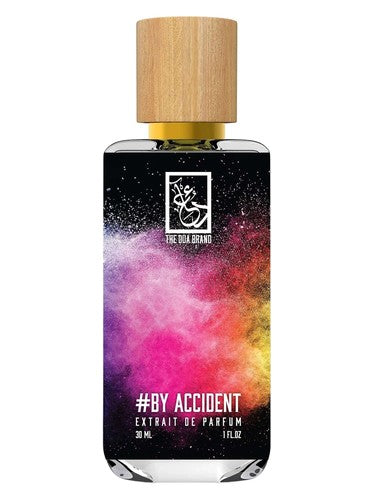
The Dua Brand #By Accident
Save 15% with code CHAOSFRAGRANCES
Official brand search. Confirm price and availability at DUA.
The original
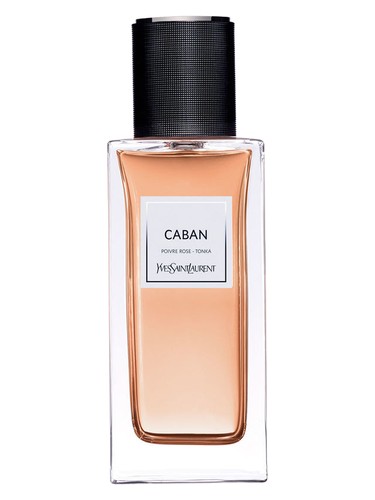
Yves Saint Laurent Caban
See the product page for retailer availability.
Explore fragrance →Retailer links may earn Chaos Fragrances a commission. Listed prices are USD before shipping and tax; confirm the bottle size, availability and final price at the retailer. Chaos Fragrances is independent of both brands.
Compare the notes
Here’s how their listed notes line up.
The alternative
The Dua Brand #By Accident
Notes
 Vanilla Absolute
 Black Pepper
 Frankincense
 Pink Pepper
 Elemi resin
 Sandalwood
 Tonka Bean
 Osmanthus
 Caramel
 Praline
The original
Yves Saint Laurent Caban
Top notes
- elemi
- Pink Pepper
- Black Pepper
Middle notes
- Olibanum
- Osmanthus
Base notes
- Tonka Bean
- Sandalwood
 Patchouli
The original behind DUA #By Accident is Yves Saint Laurent Caban. It is DUA’s clone of that scent, with pepper, osmanthus, tonka and sandalwood as the useful starting point for a comparison. Here is what connects the two and what we would pay attention to when choosing between them.
Shop the original & alternatives on Amazon
What connects the two
#By Accident follows Caban through pepper, elemi, osmanthus, frankincense or olibanum, tonka and sandalwood. DUA’s list also names caramel and praline, while the original profile includes patchouli. The spicy, floral and sweet parts all deserve a place in the comparison.
The original is Yves Saint Laurent Caban, rather than Tuxedo.
How do their notes compare?
DUA gives this scent a single note list. Its listed notes include Vanilla Absolute, Black Pepper, Frankincense, Pink Pepper, Elemi resin, Sandalwood and Tonka Bean. That gives you a few specific notes to look for in a sample.
Yves Saint Laurent Caban lists elemi, Pink Pepper, Black Pepper, Olibanum, Osmanthus, Tonka Bean and Sandalwood among its notes. You can see the complete profiles above, with each scent’s own labels and structure. A note list describes the idea; it does not tell you the proportions or guarantee that two fragrances develop the same way.
What would we compare on skin?
We’d compare the pepper and osmanthus with the tonka and sandalwood. The extra sweet-note labels in DUA’s list do not tell us their proportions.
Which one should you choose?
For a purchase, think about what you want from this pairing: DUA’s take on pepper, osmanthus, tonka and sandalwood, or the original fragrance itself. Then compare the actual bottle sizes and current retailer terms. We’d give a sample time to develop before committing to a larger bottle, especially if the balance between the fresher and sweeter notes is what matters to you.